
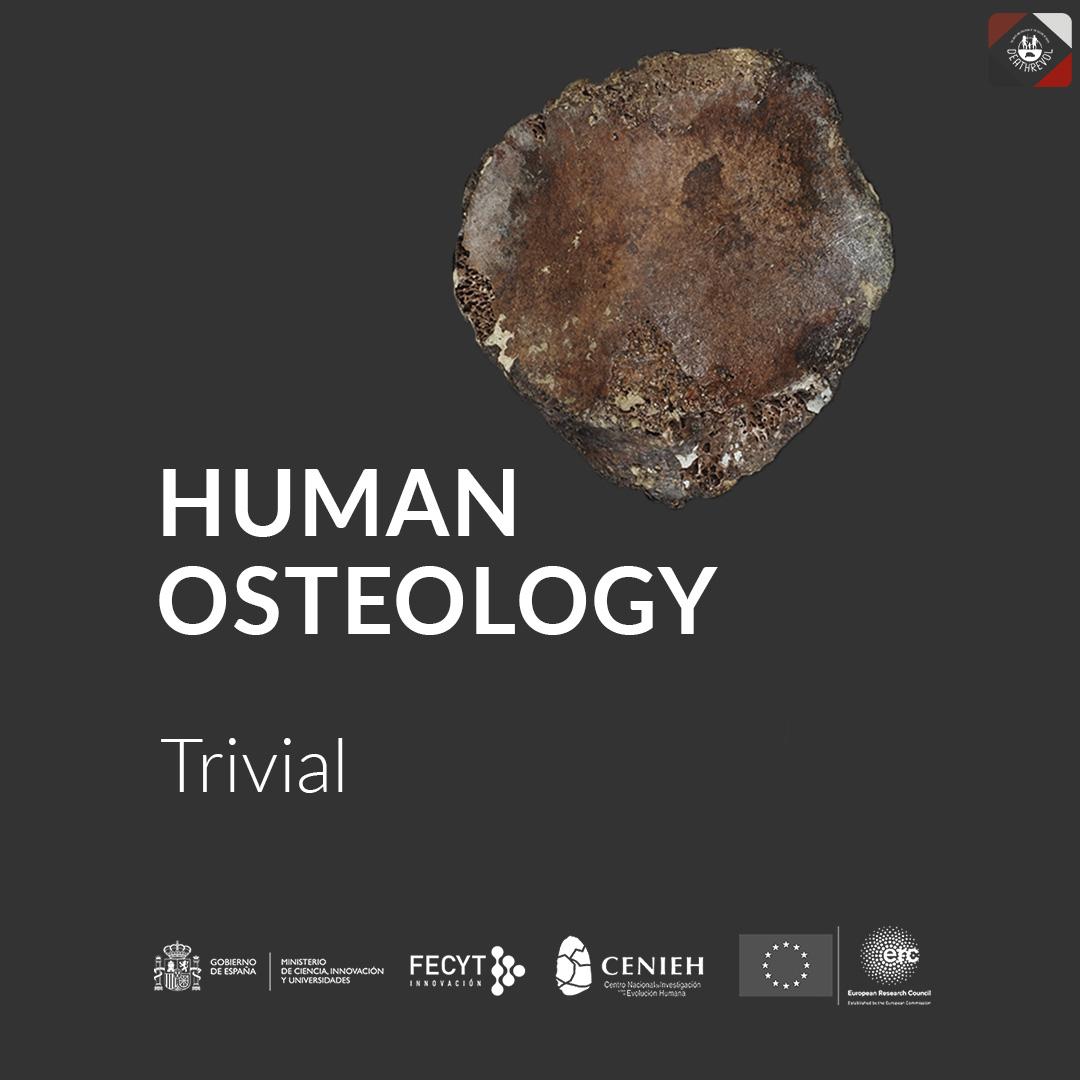

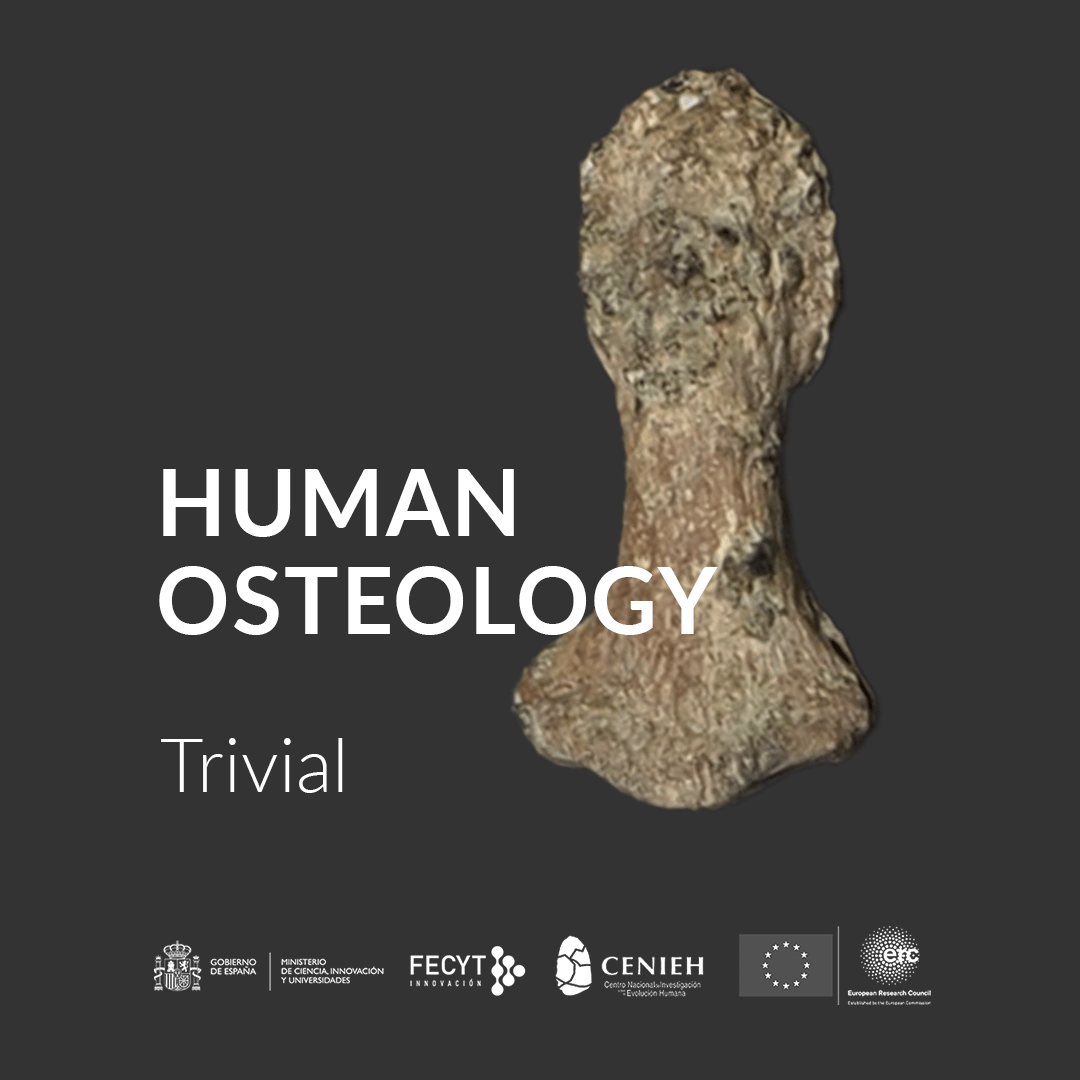
TRIVIAL GAME: OSTEOLOGY
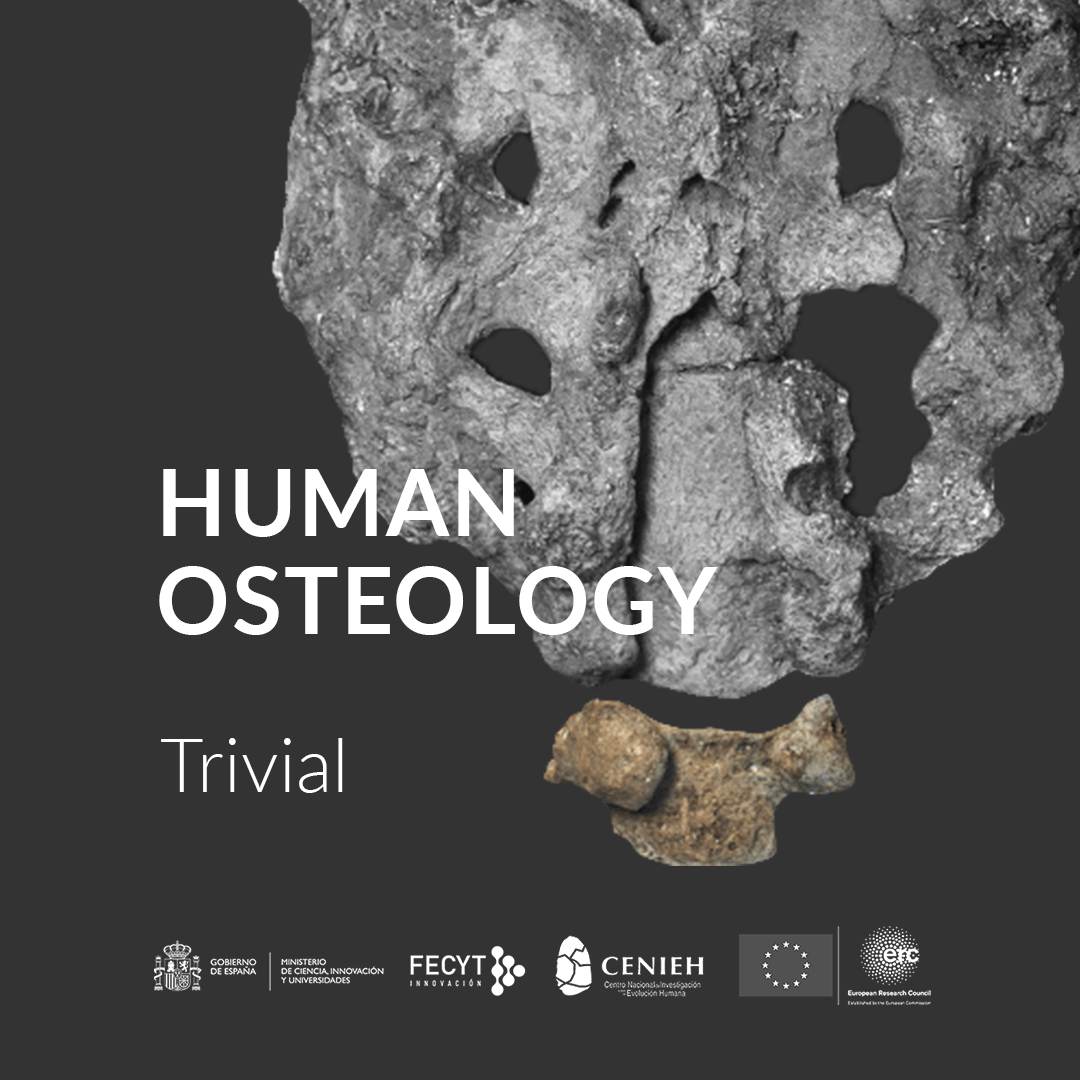
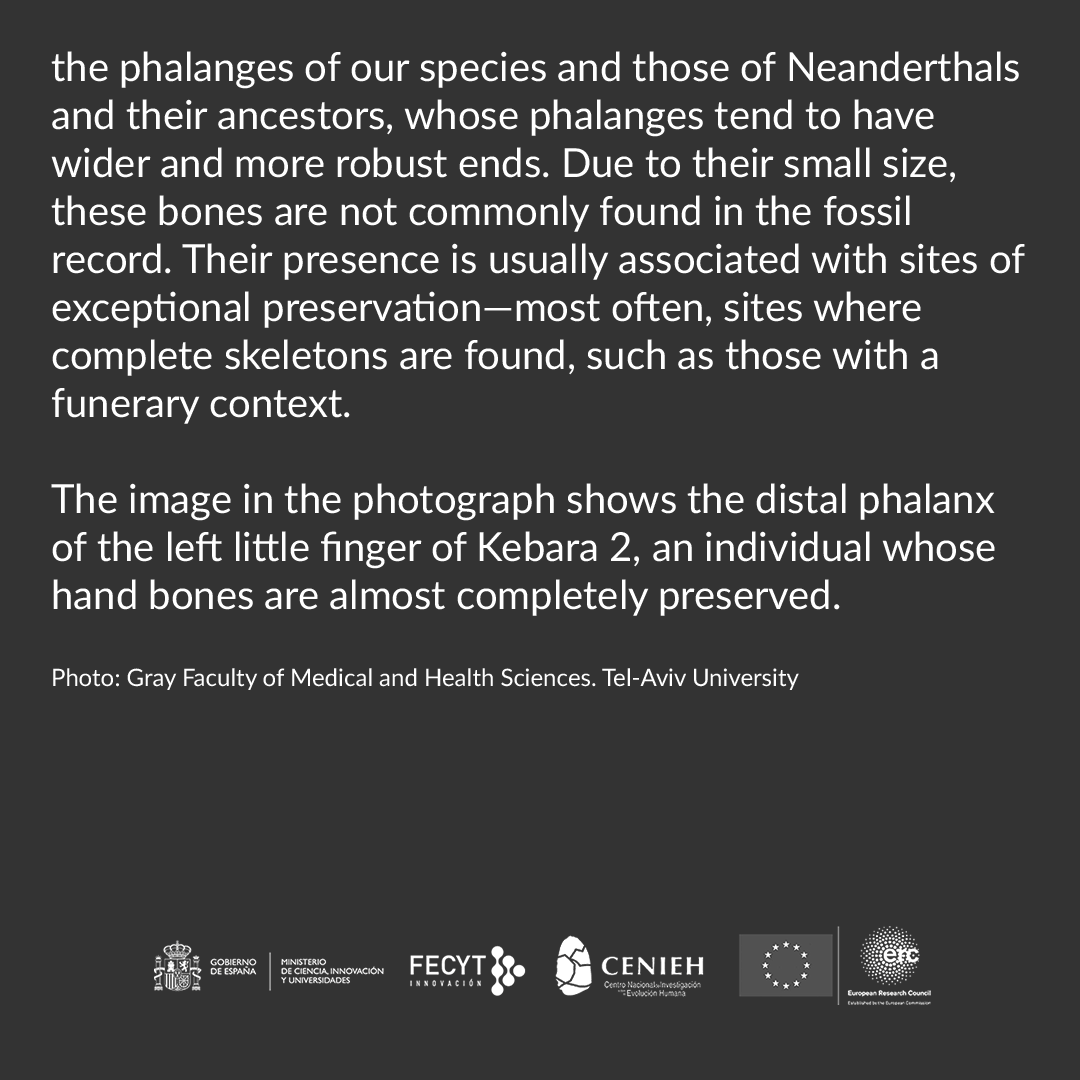
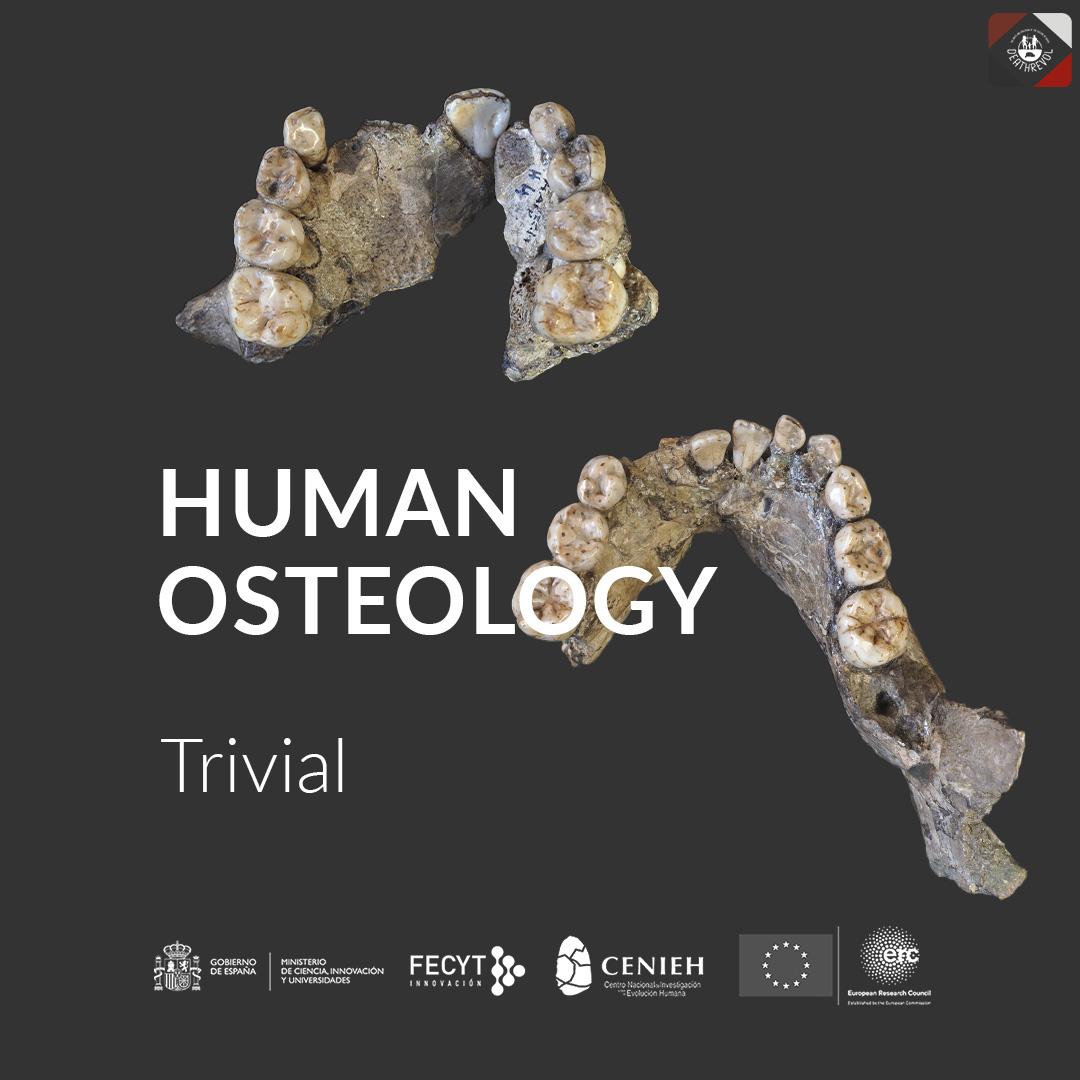
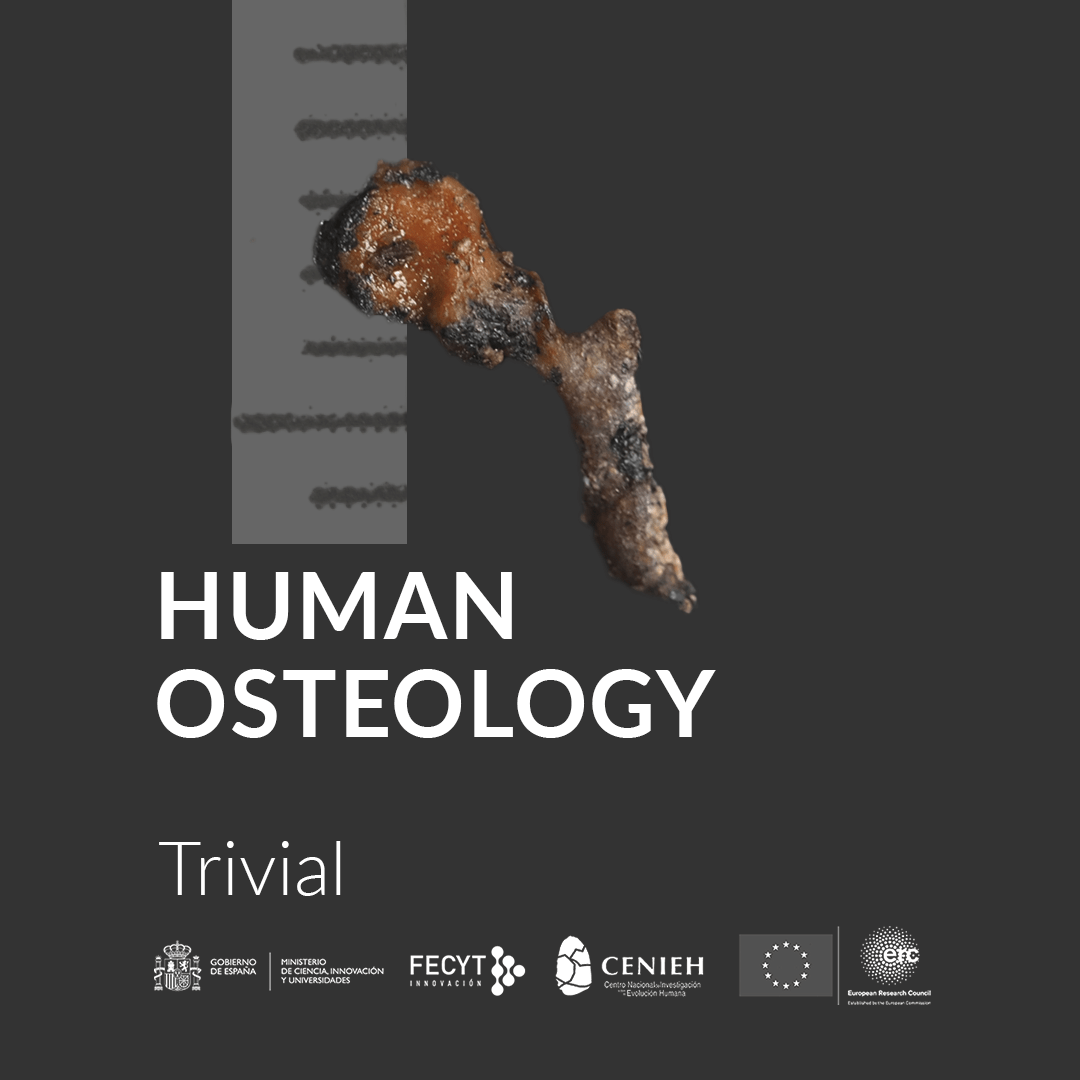
Observing the dental eruption of this fossil, can you estimate the individual’s age at death?
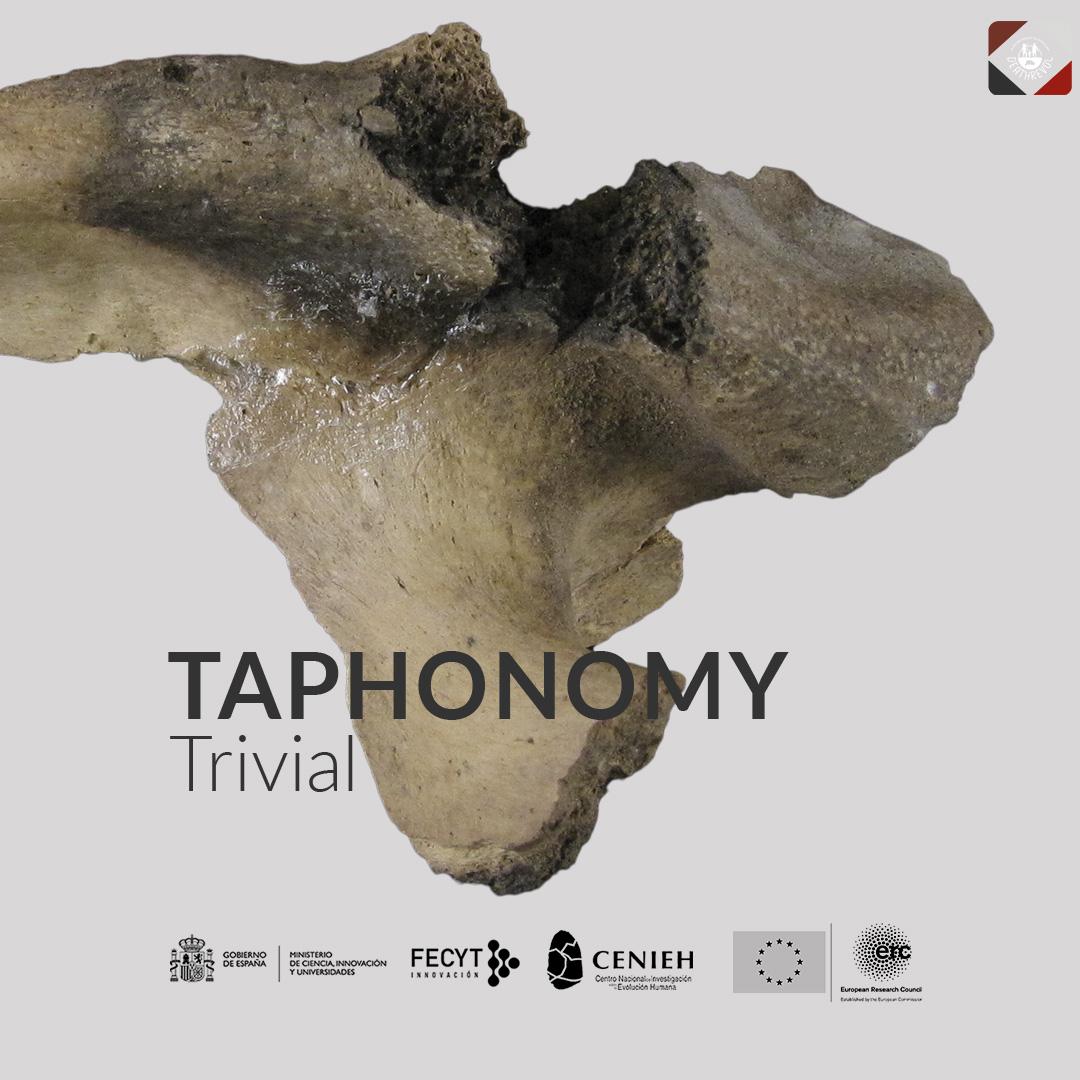
TRIVIAL GAME: TAPHONOMY
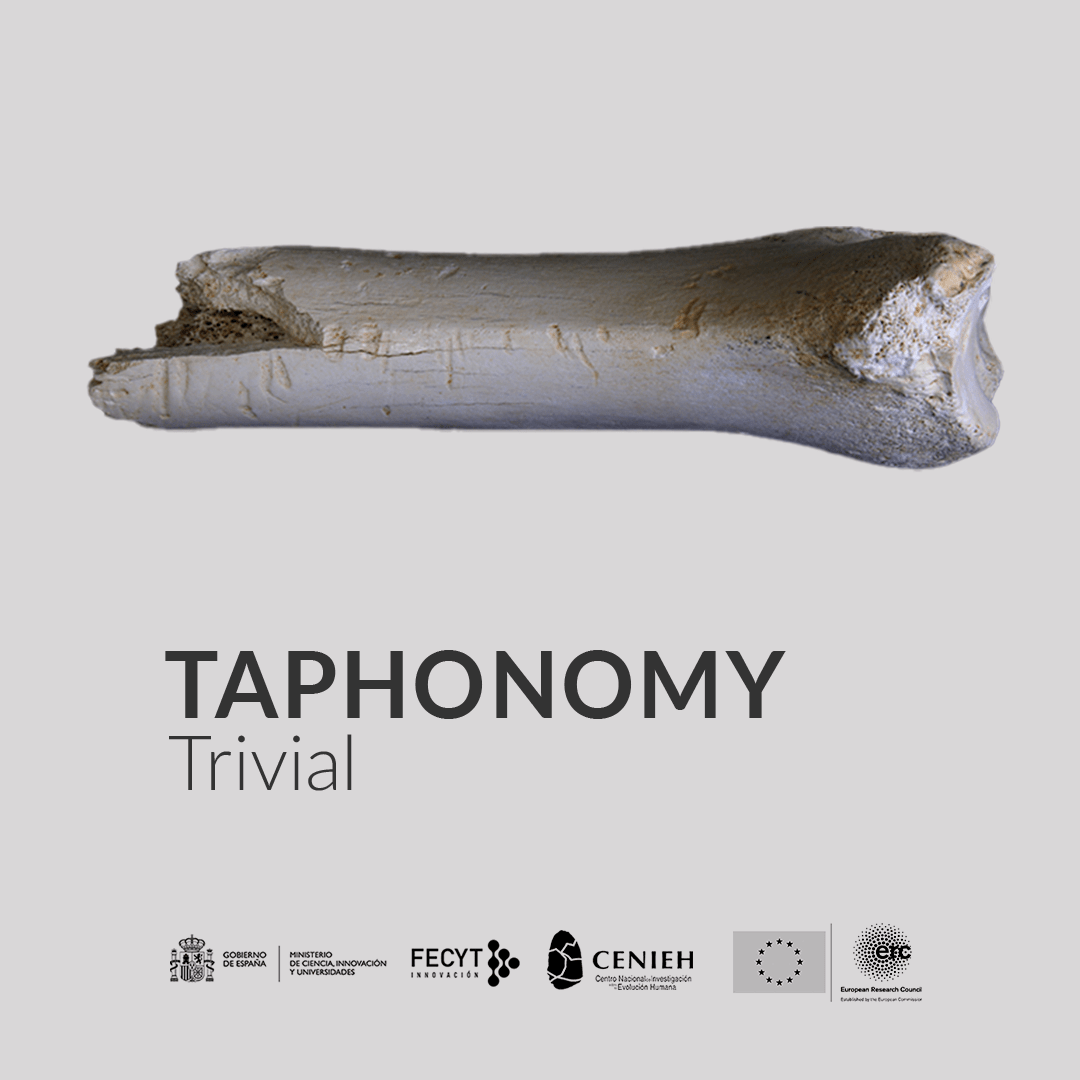
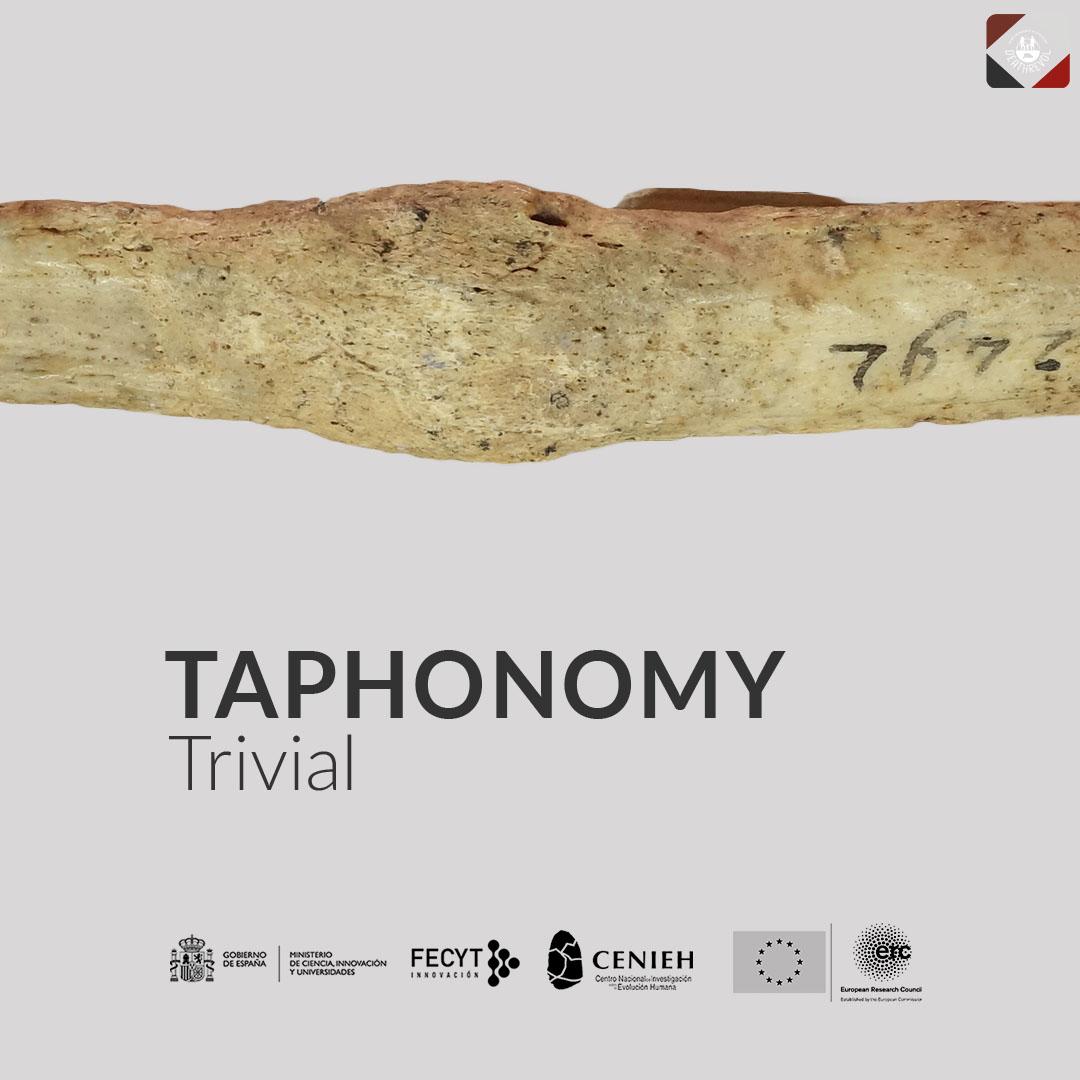
What do you think caused the thickening of this bone in the central part of the diaphysis shown in the photograph?

EUROPEAN PROJECT DEATHREVOL DISSEMINATION: IN SEARCH OF THE ORIGINS OF FUNERARY BEHAVIOR

It’s not easy to communicate about the origins of funerary behavior, nor about the history of this discipline. Even less so when it involves images of its protagonists: the fossils. But here we are.
It’s not viral. It’s not simple. It’s not for everyone. But we will keep doing it because we believe that reflecting on how it all began, how and why humans started to treat their dead in a special way, can help us better understand life.
Today we start the fifth edition of the project “European Project DEATHREVOL Dissemination: In Search of the Origins of Funerary Behavior.” Many thanks to Fundación Española para la Ciencia y Tecnología (FECYT) and European Research Council (ERC) for supporting our work once again.
EXCAVATION SEASON 2025
Excavation season begins and with it comes a time of reunions, shared effort and plenty of dirt.
Spending the summer on a dig isn’t just a professional choice, it’s also an act of personal and family dedication.
Behind every person in the field, there’s an invisible network of support: grandparents helping to juggle schedules, children running between excavation grids, partners rearranging plans and vacations to make it all work.
Excavating is about piecing together stories from the past, yes… but it’s also about building a story in the present. One that speaks of commitment, community, and the value of those who support, accompany, and believe in what we do.
Thank you to all the families who make this possible, year after year.
See you out in the field!