

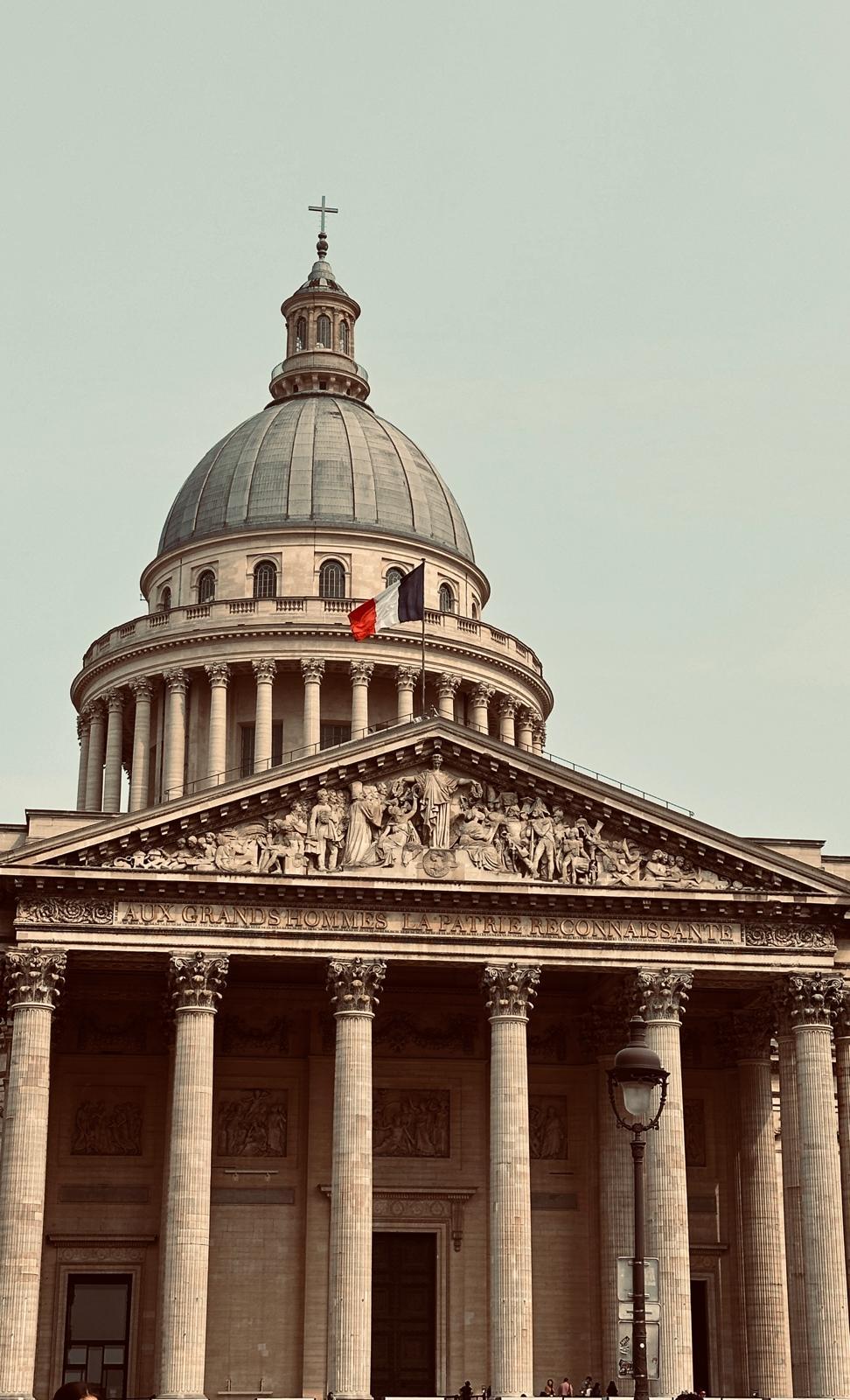
THE PANTHÉON IN PARIS
As you may know, funerary behavior is one of the most genuine and profound expressions of human nature.
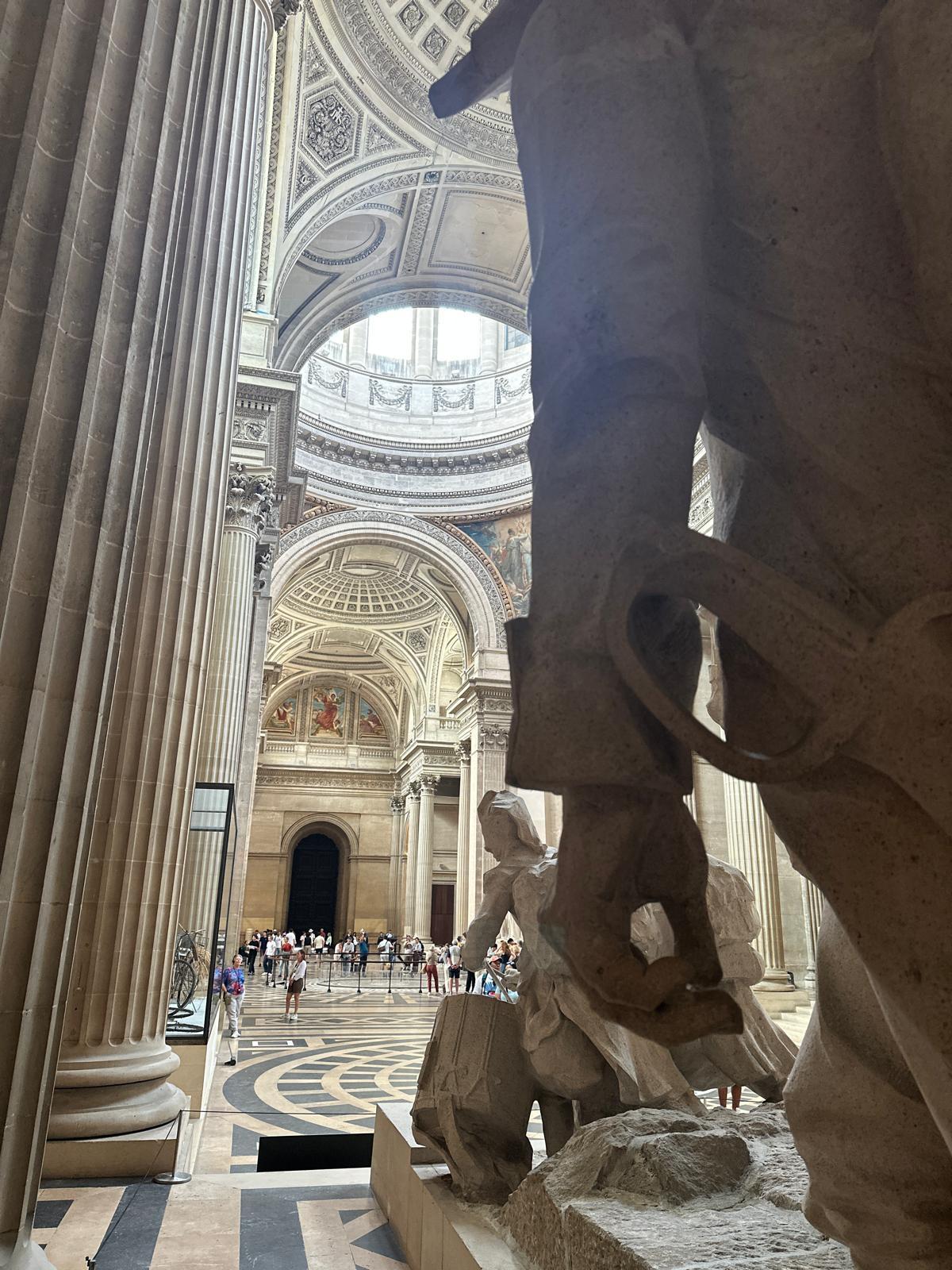
Today, I wanted to share a reflection with you. Among the most sublime manifestations of this behavior is the place where I now stand: the Panthéon in Paris.
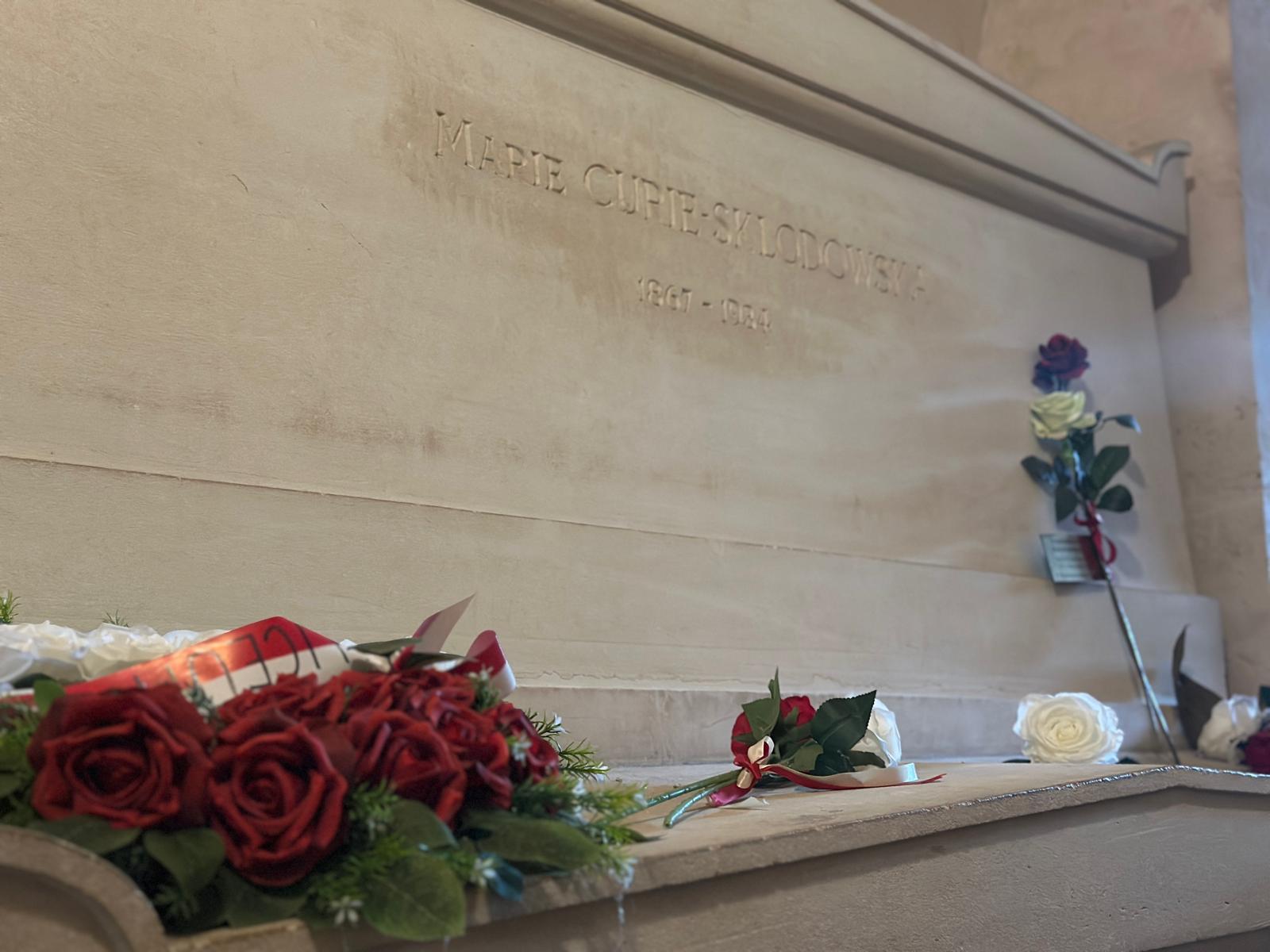
This monument is not merely a resting place for remarkable individuals. It is, above all, a collective declaration of memory, homage, and gratitude. Here lie extraordinary figures —such as Marie Curie, Victor Hugo, Voltaire, and Josephine Baker— whose lives and work left an indelible mark on history.
In the act of burial, in honoring those who came before us, humanity expresses a deep desire to keep memory alive. Because remembering those who are gone —especially those who shaped our shared destiny— is also a way of continuing what they began.
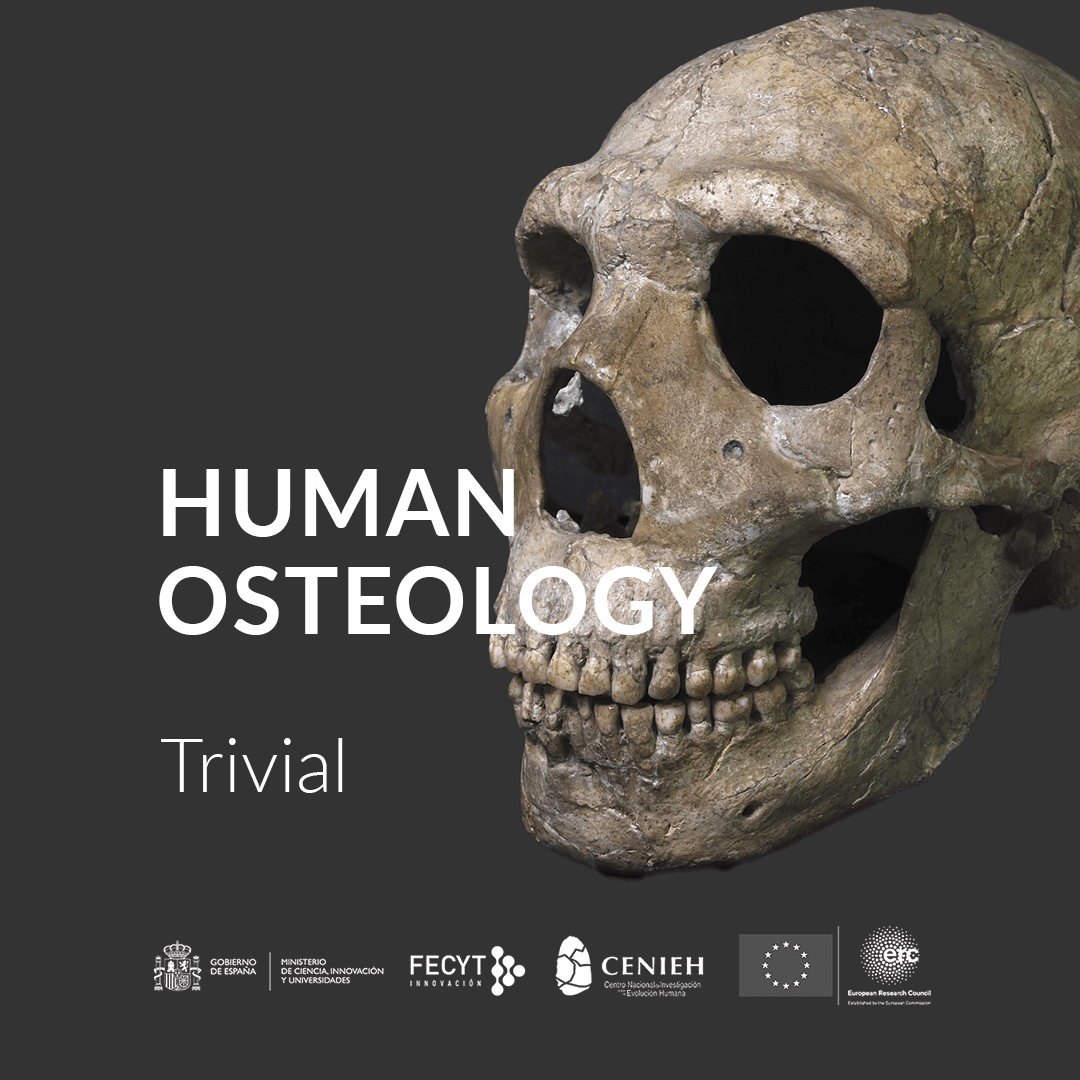
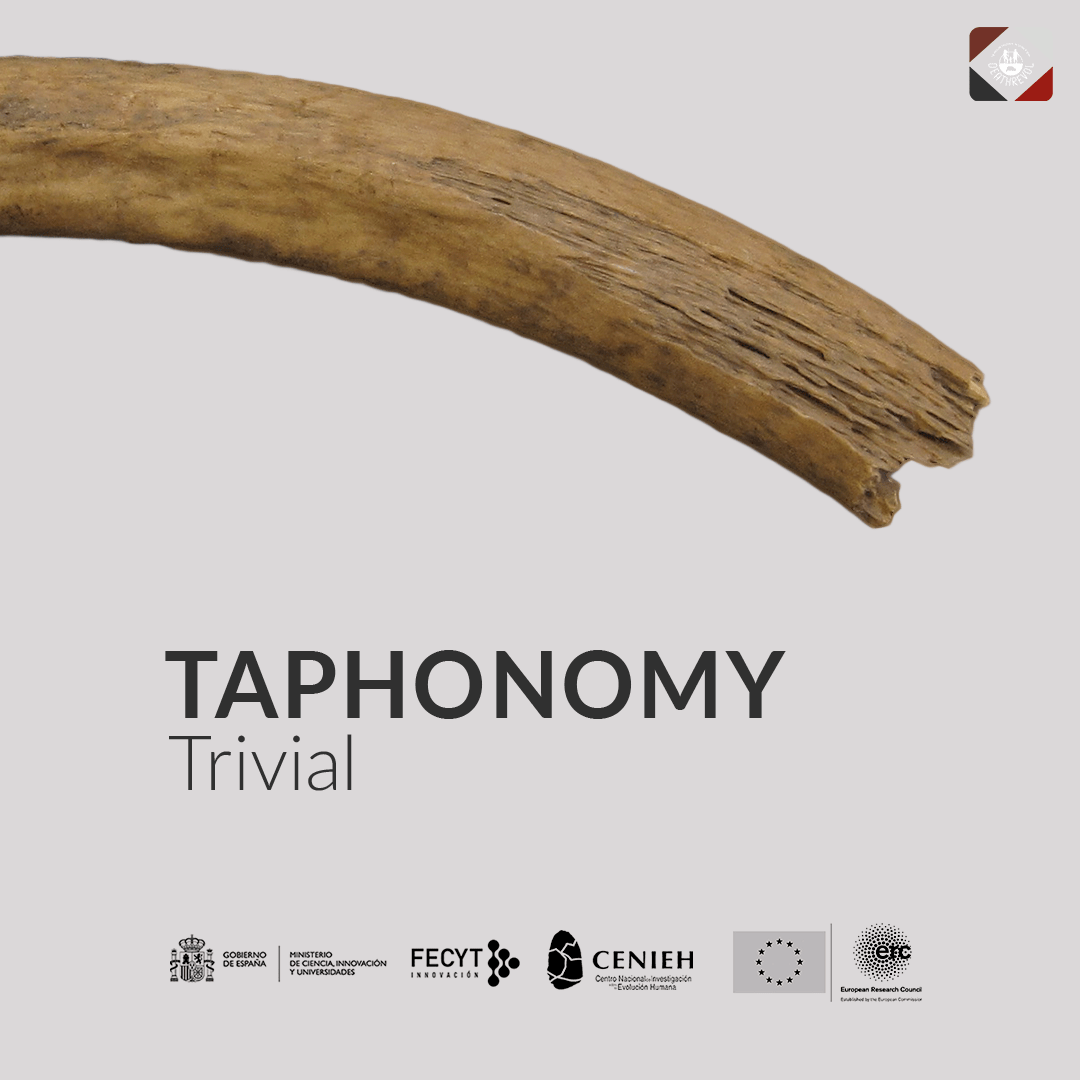
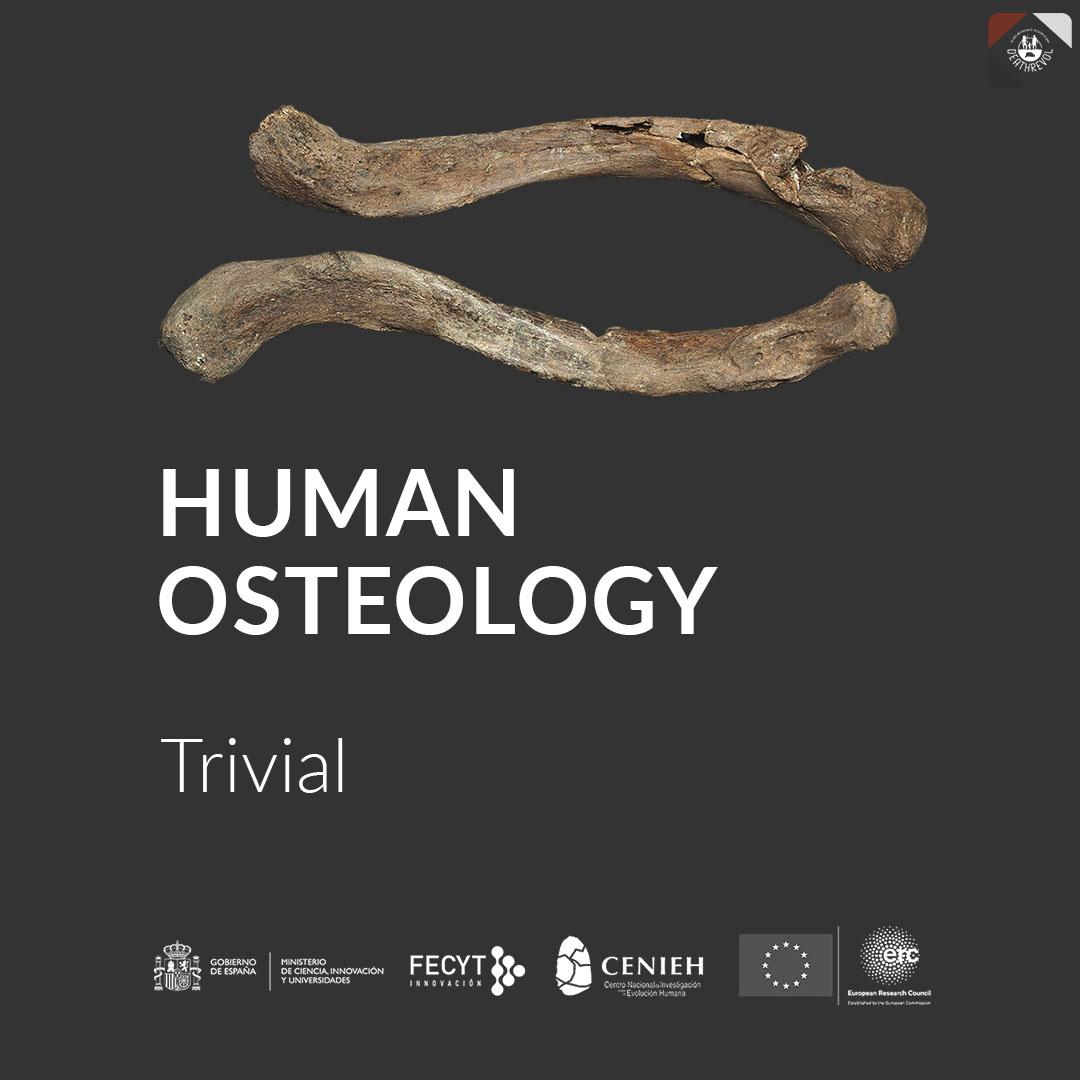
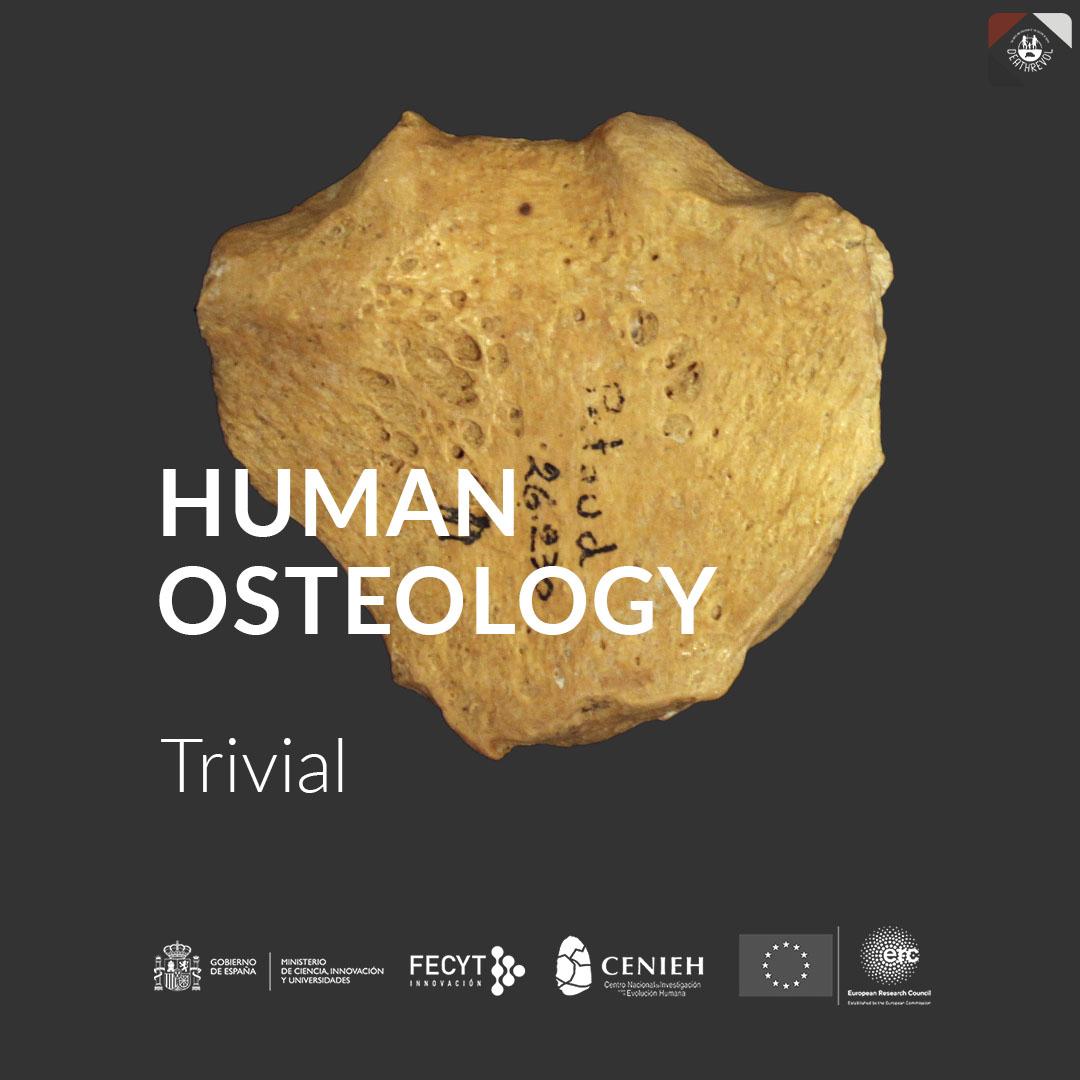
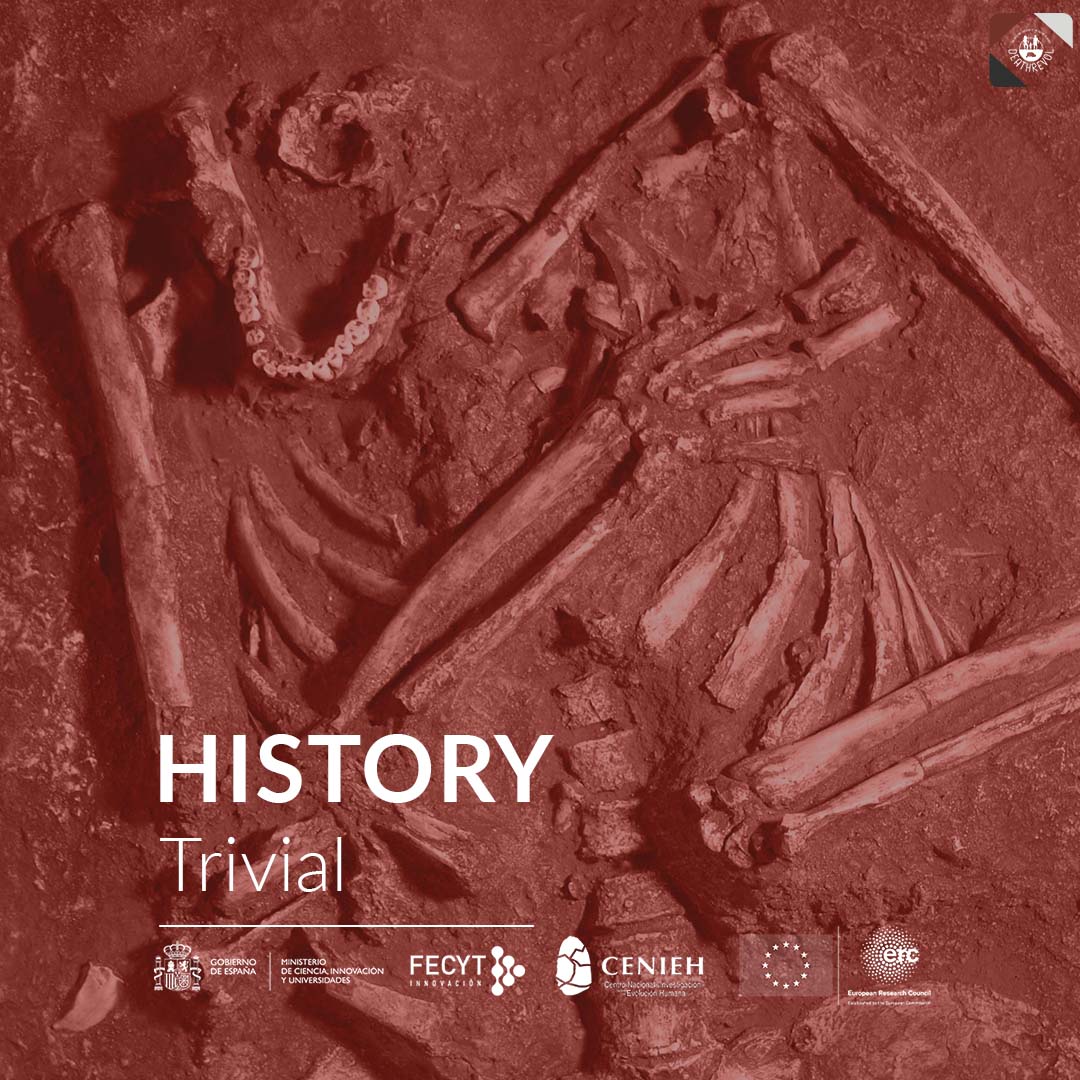
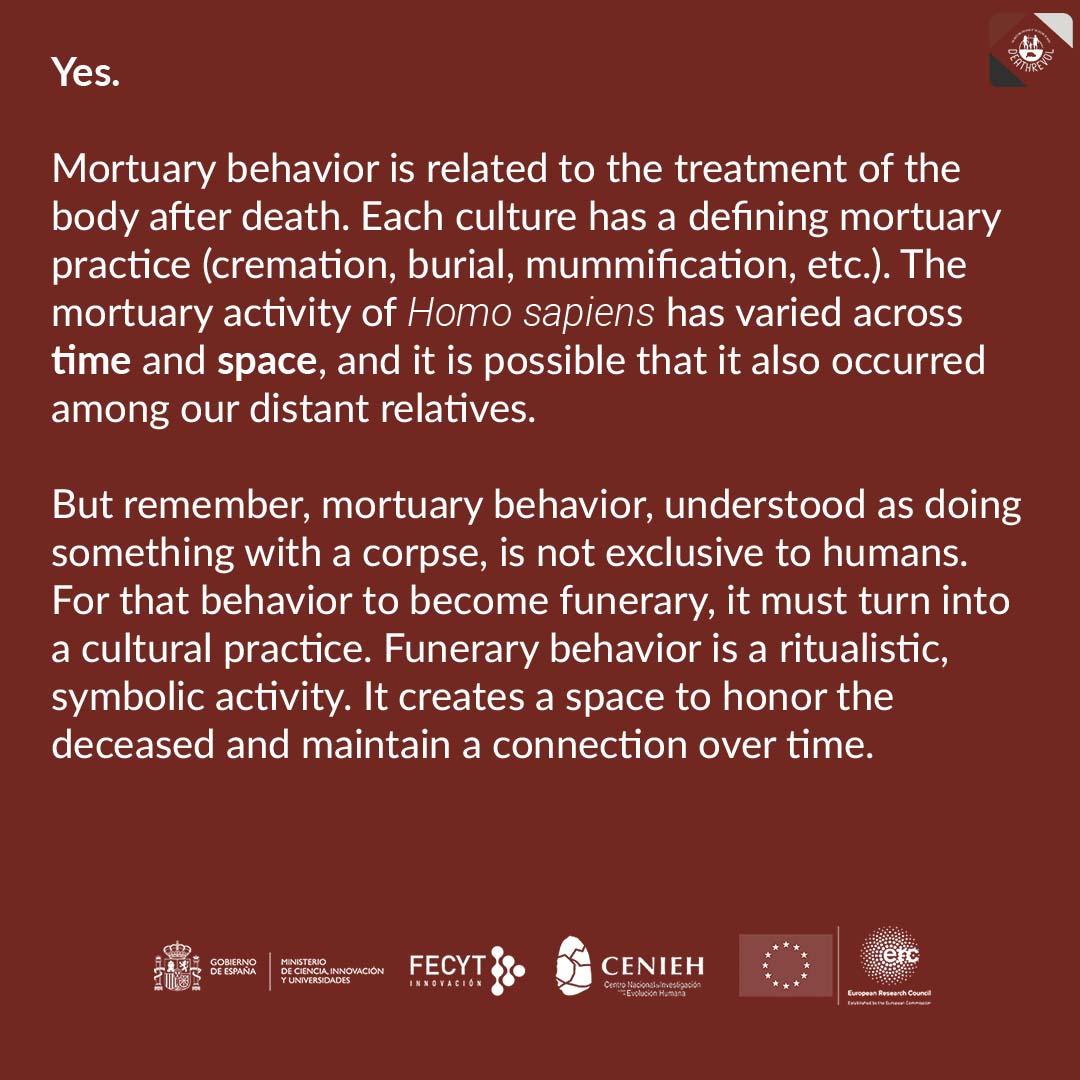
TRIVIAL GAME: OSTEOLOGY
Sutural bones or Wormian bones have been studied in fossil remains. They may or may not be present in some individuals.

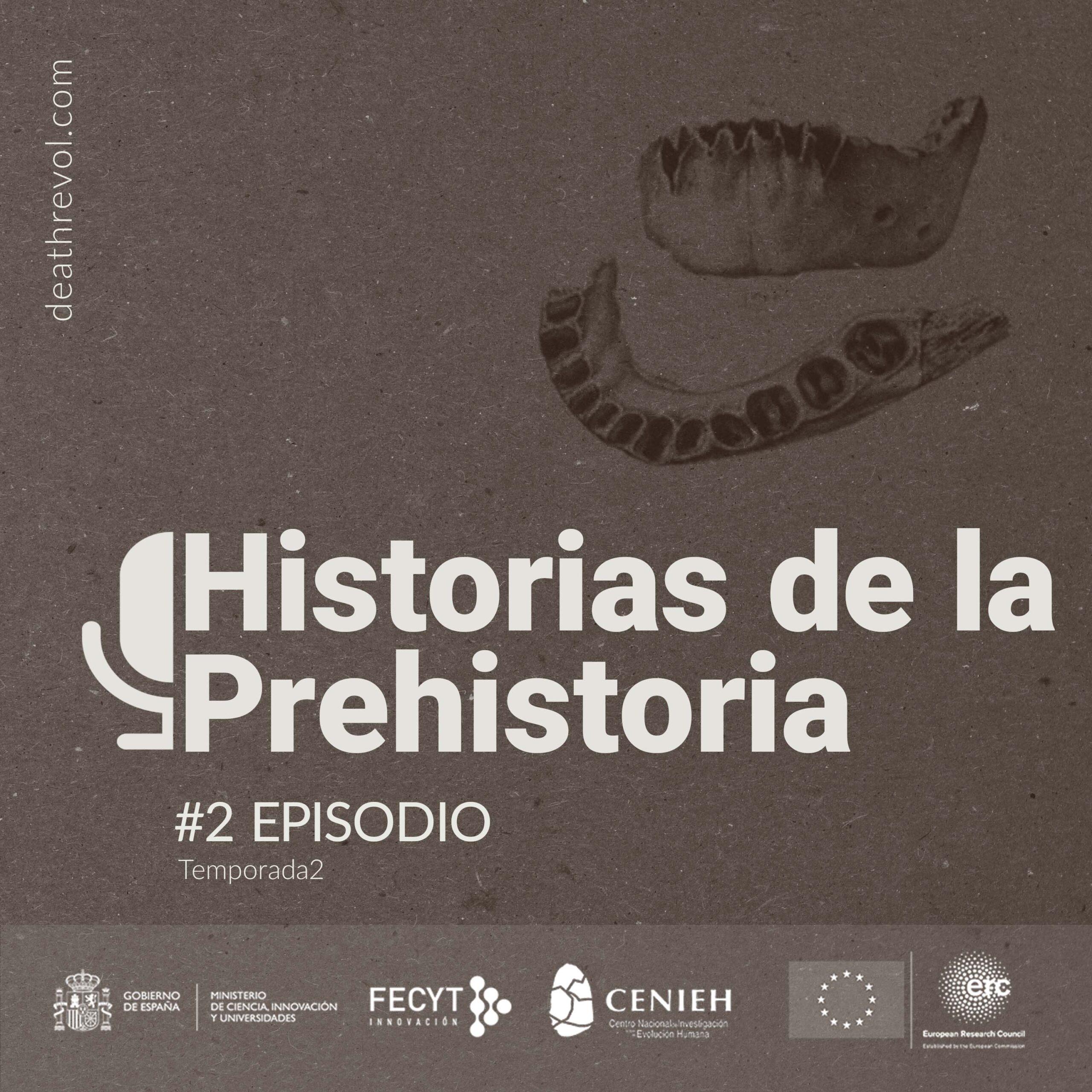
ERROR IN EPISODE 2 OF OUR PODCAST “HISTORIAS DE LA PREHISTORIA”.
IT WAS ALFONSO XII, NOT ISABEL II
We apologize for having made a mistake at the beginning of episode 2 of the second season of “Historias de la Prehistoria”. This error is that we say that the Institución Libre de Enseñanza (ILE) was created in 1876, in the time of Isabel II, but at that time her son Alfonso XII was already on the throne.