
Burials



NEW CONTENT SERIES
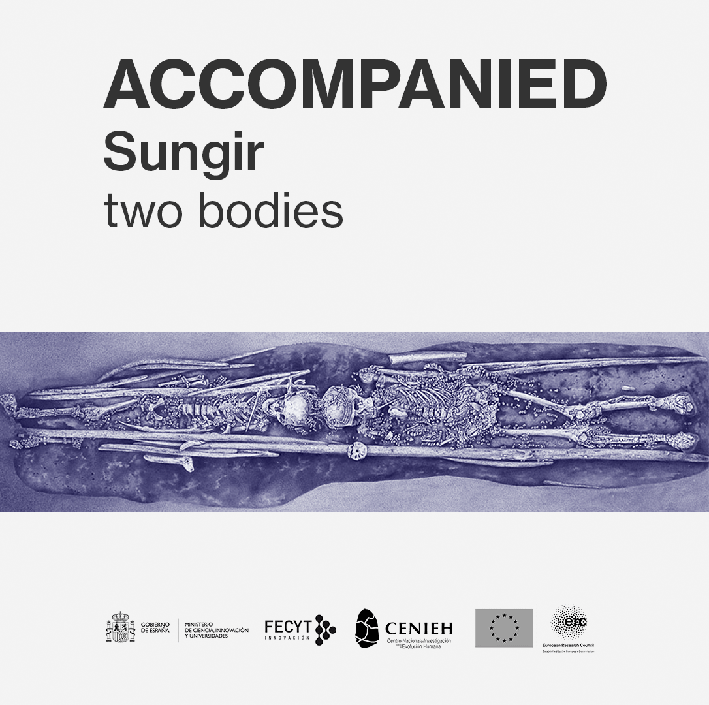
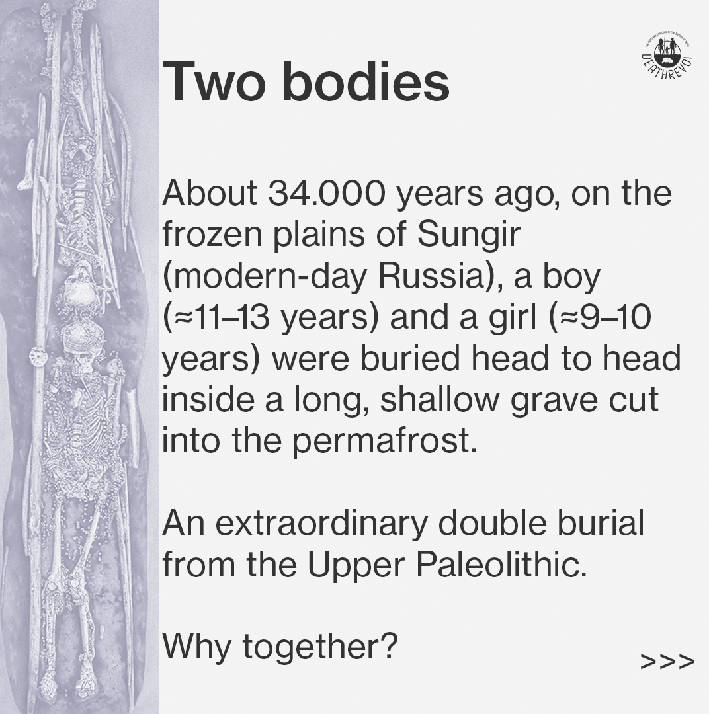
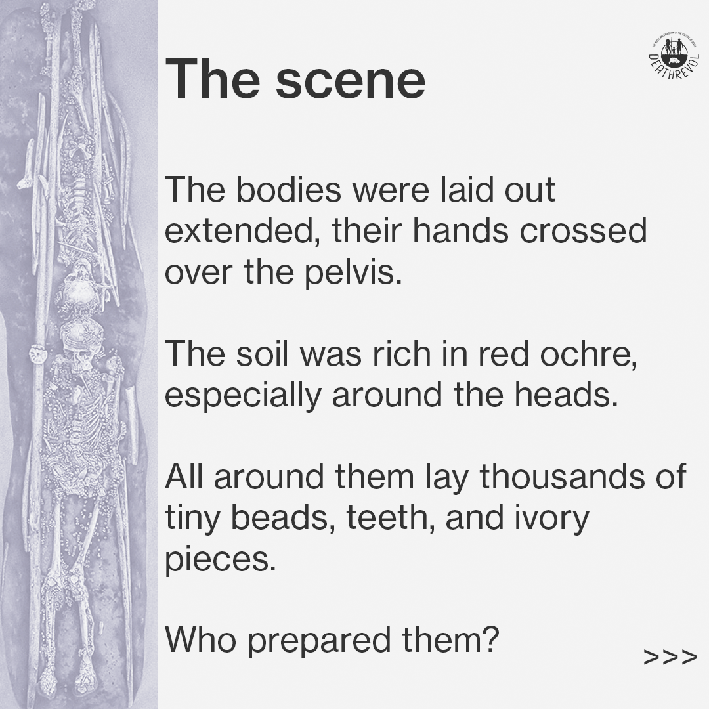
We’d like to introduce a new content series: five different perspectives exploring how death, and everything surrounding it, reveals the most human side of our past.
Five ways of inhabiting that boundary: Accompanied. Healed. Struck. Reddened. Beheaded.
In each, we’ll share different stories about Paleolithic burials. Different stories, but together, they teach us about the culture of death.
BURIALS: BONN-OBERKASSEL
Bonn-Oberkassel, Germany.
14,000 years ago, a woman, a man… and a dog were buried together. A gesture that speaks of care, affection… and a bond as old as time.
What could this joint burial reveal about the relationships between humans and animals in prehistory?
Discover their story in the video.
BURIALS: LAGAR VEHLO
28.000 years ago, a child was buried covered in red ochre, surrounded by objects: shells, deer canines, and cooked rabbit bones.
Coincidence? Ritual?
Discover the story in our new YouTube Short!
Photo: João Zilhão and Cidália Duarte. www.science.org/doi/10.1126/sciadv.adp5769
BURIALS: QAFZEH 11
Qafzeh 11 is another case that raises fascinating questions about symbolism in Paleolithic burials.
This adolescent, around 12 or 13 years old, was buried about 90,000 years ago in Qafzeh Cave (Galilee, Israel). The body lay on its back, legs bent, with a large limestone block resting over them.
On the chest, archaeologists found a unique discovery: a cranial fragment with deer antlers, in direct contact with the right hand.
Was it a symbolic offering?Or a coincidental element of the surroundings?
The debate remains open… What do you think?
Image: Bernard Vandermeersch et Ofer Bar-Yosef, « The Paleolithic Burials at Qafzeh Cave, Israel », PALEO [En ligne], 30-1 | 2019, http://journals.openedition.org/paleo/4848 ; DOI : https://doi.org/10.4000/paleo.4848
BURIALS: AMUD 7
The case of Amud 7 opens a fascinating debate.
This Neanderthal infant, buried around 60,000 years ago in Amud Cave (Israel), was found in anatomical connection—an exceptional preservation for such fragile bones.
On its tiny pelvis appeared something even more striking: the maxilla of a red deer.
Was it a symbolic offering, placed as part of a funerary ritual? Or could it have ended up there by chance?
The skeleton suggests deliberate burial—but the meaning of that deer bone remains open to interpretation.
What do you think?